Marathon nutrition is about much more than a bowl of pasta the night before the race and a handful of gels in your pocket. When you are running for several hours, your body is managing two major demands at the same time: it needs enough fuel to keep producing energy, and enough fluid and electrolytes to support hydration as you sweat. Both matter from the beginning.
You can have a carefully planned fuelling strategy and still struggle if your hydration is off. Equally, drinking plenty without taking in enough carbohydrate will not give your body the energy it needs to keep working over 26.2 miles. The two need to be practised together throughout training so that by race day, eating and drinking feel like part of your running routine rather than something you are trying to work out on the move.
The good news is that a strong marathon nutrition plan does not need to be complicated. It needs to be familiar, practical and tested enough times that you know what works for you.
Fuel and hydration should be trained together
Long runs are not only for building endurance. They are also your best opportunity to practise what you are going to eat and drink when the miles start adding up.
During several hours of running, your body uses carbohydrate as an important source of fuel. At the same time, sweating means you are losing fluid and electrolytes. That makes both fuelling and hydration part of the training session, not something to think about separately when race day arrives.
If you regularly complete your longest runs with very little fuel or fluid, then suddenly introduce gels, sports drinks and a completely new hydration routine on marathon morning, your body has had no chance to get used to any of it.
Instead, start building the routine during training. Practise the breakfast you plan to eat before the race, use the carbohydrate products you expect to carry and make an electrolyte drink part of your longer sessions and recovery.
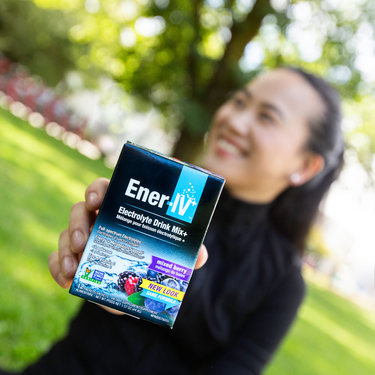
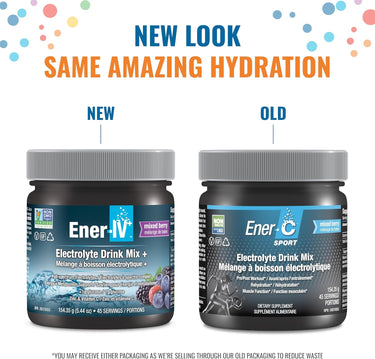
For runners putting in the big miles, Ener-IV+ is the electrolyte drink mix to keep in the training kit. It combines six essential electrolytes with Vitamin C + Zinc, giving you a simple way to support hydration around the sessions that ask more from your body.
The more familiar the routine becomes now, the less you have to think about later.
Why electrolytes matter when the miles get longer
Sweat is not simply water. It also contains electrolytes, including sodium and other minerals involved in normal fluid balance and muscle function.
How much you lose varies considerably from one runner to another. Some runners finish a long run with visible salt marks on their clothing, while others appear to lose much less. Temperature, humidity, pace, body size, clothing and individual sweat rate all influence how much fluid and electrolytes you lose.
That is why hydration should be practised just as carefully as fuelling.
Pay attention to how you feel during longer training runs. Notice how thirsty you become, whether warmer weather changes your needs and how you feel in the hours after a session. You do not need to turn every run into a laboratory experiment, but you should start to understand your own patterns.
A reliable electrolyte drink makes that routine easier. Ener-IV+ brings together six essential electrolytes with Vitamin C + Zinc in one drink mix, making it a practical choice before or after longer training sessions and as part of post-run recovery.
Rather than waiting until you feel completely depleted, build hydration into the training day from the start.
Your everyday nutrition supports the training too
What you eat during the rest of the week matters just as much as what you take during your long run.
As marathon mileage increases, your energy requirements usually increase with it. If you continue eating exactly as you did before the training block began, it can become harder to support the amount of work you are asking your body to do.
Carbohydrate is particularly important for endurance training because it helps replenish the glycogen stored in your muscles between sessions. Foods such as oats, rice, pasta, bread, potatoes, fruit and cereals can all contribute, while protein, healthy fats, fruit and vegetables remain important parts of the wider diet.
The goal is not to turn every meal into sports nutrition. It is simply to make sure your food intake keeps pace with your training load. If your long runs are getting longer but your meals are getting smaller, that imbalance tends to catch up eventually.
Carbohydrate loading starts before the pasta dinner
The night-before pasta meal has become part of marathon culture, but carbohydrate loading is better thought of as something that happens across the days before the race rather than in one enormous dinner.
As training volume falls during the taper, increasing your carbohydrate intake can help maximise the amount of glycogen stored in your muscles before the marathon. That does not require eating until you are uncomfortable. It usually works better to spread carbohydrate across meals and snacks throughout the day.
Breakfast might include oats, toast and fruit. Lunch could include rice, pasta, potatoes or bread, while snacks such as cereal, bagels, bananas or other familiar carbohydrate-rich foods can help increase your intake without making every meal feel huge.
The most important word here is familiar. Race weekend is not the time to suddenly eat large amounts of foods your body is not used to simply because they appear on somebody else's marathon checklist. You want to arrive at the start line feeling fuelled, comfortable and ready to run.
Keep race-morning breakfast predictable
The best marathon breakfast is usually not exciting. It is something you have eaten before long runs enough times that you know exactly how your body responds.
For many runners, that means a carbohydrate-rich meal that is relatively easy to digest. Oats, toast, cereal, bagels, bananas or other familiar foods can all work depending on personal preference.
Timing matters as well. Some runners can eat comfortably closer to running, while others need considerably longer for breakfast to settle. Use training mornings to find out where you sit. Race-day nerves can already make appetite and digestion less predictable, so having a breakfast you trust removes one more variable from the morning.
The goal is not to create the perfect-looking pre-race meal. It is to start the race with energy available and a stomach that feels comfortable.
Build a fuelling plan before race day
During a marathon, carbohydrate consumed while running provides an additional source of fuel as the race progresses.
Most runners use gels, chews, sports drinks or a combination of products because they are easy to carry and consume while moving. What matters is understanding roughly how much carbohydrate those products actually provide. Rather than simply deciding to carry a certain number of gels, check the label. If a gel contains around 25 grams of carbohydrate and you take two each hour, that gives you approximately 50 grams per hour before accounting for any carbohydrate you are drinking. That kind of simple calculation is much more useful than copying the exact number of gels carried by somebody else.
Your race time, experience and digestive tolerance all influence what will work best for you. The goal is not to consume the highest amount possible. It is to find an intake you can tolerate comfortably and repeat consistently over several hours. That is why your long runs matter so much. They are where you find out whether your plan actually works.
Do not wait until you feel empty
One of the easiest marathon mistakes is leaving fuelling until your energy already feels low. By that stage, it can be difficult to catch up. A better approach is to begin fuelling earlier and continue at regular intervals based on the routine you have already practised. Over time, taking a gel or sip of carbohydrate drink becomes another part of the rhythm of the run rather than something you only remember once you start struggling.
Hydration works in a similar way. Waiting until you feel completely dehydrated before thinking about fluids is not a particularly useful strategy. Build both into the run from the beginning. Fuel provides the carbohydrate you need to keep moving, while fluids and electrolytes support hydration as the miles and sweat losses add up. Neither should be treated as the backup plan.
Make Ener-IV+ part of the long-run routine
For marathon runners, Ener-IV+ belongs alongside the other essentials you prepare before a long run. Shoes, gels, watch, breakfast and hydration all have a job to do, and Ener-IV+ gives you a simple way to cover the electrolyte side of that routine with six essential electrolytes plus Vitamin C + Zinc too support your immune system.
That combination becomes particularly relevant as training volume increases and your sessions begin stretching across several hours. Longer runs usually mean more sweat, more fluid loss and more attention needed afterwards to help your body recover for the next session.
Ener-IV+ is formulated for hydration and recovery, so it makes sense to start using it throughout the training block rather than saving it for race weekend. When something has already become part of your normal long-run routine, there is no need to rethink it as race day gets closer.
Your carbohydrate fuel and your electrolyte drink have different jobs, but both belong in the plan.
Practise what you plan to use
Race day should not be the first time you discover how your nutrition strategy feels after three hours of running.
Use your final long runs to rehearse the whole routine. Eat your planned breakfast, take your fuel at the intervals you are considering for race day and keep your hydration routine consistent. If you are running New York, take time to look at what is available on the course and decide how those aid stations will work alongside what you plan to carry yourself.
The same applies to hydration around the race itself. Make Ener-IV+ your go-to electrolyte drink for long-run training and recovery, with six essential electrolytes plus Vitamin C + Zinc in one convenient mix. The goal is not to turn race nutrition into a spreadsheet. It is to make sure nothing you rely on comes as a surprise.
Your stomach needs training too
Your legs are not the only part of your body adapting to marathon training. Eating and drinking while running can be difficult because your digestive system is being asked to work at the same time as the rest of your body is under sustained physical demand. This is one reason gastrointestinal problems are so common in endurance events.
Practising regularly allows you to find the foods and products that sit well with you. Some runners prefer gels with water. Others tolerate carbohydrate drinks comfortably. Some do better taking smaller amounts more frequently rather than larger amounts at once.
There is no benefit in copying another runner's strategy if your stomach dislikes it. The right plan is the one that gives you the fuel and hydration you need without creating another problem to solve.
Recovery nutrition starts when the running stops
Once the long run or marathon is finished, nutrition still has an important job to do.
Your body has used carbohydrate, your muscles have been working for hours and you have lost fluid and electrolytes through sweat. Recovery therefore needs to begin putting those things back.
Carbohydrate helps replenish glycogen stores, while protein provides amino acids needed for muscle repair. A proper meal containing both should form the foundation of your recovery.
Hydration belongs alongside it. After a long run, Ener-IV+ gives you a straightforward way to begin replacing electrolytes while also providing Vitamin C + Zinc. Pair it with a meal or snack containing carbohydrate and protein, and you have covered the key parts of a practical post-run recovery routine.
If your appetite is low straight after the race, start with what feels manageable and eat a larger meal when your stomach settles. There is no need to force everything in at once. The important thing is to start giving your body back what the run has taken out.
Keep the plan simple enough to repeat
Marathon nutrition can become complicated very quickly if you let it. There are endless products, formulas and strategies available, but the best plan is usually the one you can practise repeatedly without having to think too hard about it.
Use your training to work out which breakfast feels good, which carbohydrate products your stomach tolerates and how frequently you need them. Learn how your hydration needs change on longer or warmer runs, and make Ener-IV+ part of the routine so that electrolyte replacement is already covered when the bigger sessions arrive.
By race day, nutrition and hydration should feel familiar enough that they simply happen alongside the running. You have enough to think about over 26.2 miles. Your fuel and hydration should be the part you already know you can rely on.