We all know staying hydrated matters. But hydration is about more than simply drinking more water.
Your body relies on a careful balance of water and electrolytes to help regulate temperature, maintain fluid balance, support normal nerve and muscle function and keep everything moving as it should.[1]
Most of the time, food and regular fluids help maintain that balance. But when you sweat more — whether through exercise, hot weather or a particularly active day — you lose both water and electrolytes.
That is why good hydration is less about chasing a magic number of glasses and more about understanding what your body is actually losing.
Hydration starts with fluid balance
Water makes up a large proportion of the human body and is essential for transporting nutrients, regulating temperature and maintaining normal circulation.
But water does not work alone.
Electrolytes such as sodium, chloride, potassium and magnesium help regulate how fluid moves and is distributed throughout the body. They also support electrical signalling between nerves and muscles.[1]
Think of hydration as a team effort.
Water provides the fluid. Electrolytes help your body manage it.
That balance becomes especially important when your fluid needs increase.
What happens when you sweat?
Sweating is one of the ways your body keeps itself cool.
As your body temperature rises during exercise or hot weather, sweat is released onto the skin and evaporates, helping heat escape.
But sweat contains more than water.
It also contains electrolytes, with sodium and chloride making up the largest proportion of the minerals lost, alongside smaller amounts of potassium, magnesium and calcium.[2]
Research shows that both sweat rate and sweat sodium concentration can vary considerably from person to person. Exercise intensity, temperature, body size and heat acclimatisation can all influence how much fluid and sodium you lose.[2]
That is why one person may finish a workout barely damp while another looks as though they have run through a sprinkler.
Their hydration needs are unlikely to be identical either.
Why electrolytes matter for hydration
Electrolytes do some important work behind the scenes.
Sodium helps regulate extracellular fluid balance and plays an important role in replacing fluid lost through sweat.
Potassium supports normal nerve signalling and muscle function.
Magnesium also contributes to normal muscle and nerve function.
When you lose substantial amounts of sweat, replacing water without thinking about electrolyte losses may not always give your body everything it needs.
Evidence-based hydration guidance for physically active people recommends considering both fluid and electrolyte losses, especially during longer sessions, heavy sweating or exercise in hot conditions.[1]
So while water is always important, hydration during more demanding days can become a bigger picture.
Can hydration affect how you feel?
Absolutely. In one controlled study involving 25 healthy young women, mild exercise-induced dehydration of around 1.36% of body mass was associated with greater fatigue, headaches, difficulty concentrating and increased perceived task difficulty compared with being well hydrated.[3]
A similar study in young men found changes in fatigue, tension and some measures of cognitive performance after mild dehydration.[4]
That does not mean every sluggish afternoon is a hydration issue. Sleep, nutrition, stress and activity all play a part.
But maintaining fluid and electrolyte balance is one of the simpler things you can support.
When should you think about electrolytes?
For an ordinary day, regular fluids and a balanced diet may provide everything you need.
Electrolytes become more relevant when losses start to climb, including during:
- longer workouts
- endurance exercise
- hot or humid weather
- heavy sweating
- back-to-back active days
- long periods outdoors.
The key is to match your hydration strategy to what you are asking your body to do.
A quiet day at your desk is not the same as a long summer ride or a sweaty gym session.
Where Ener-IV+ fits
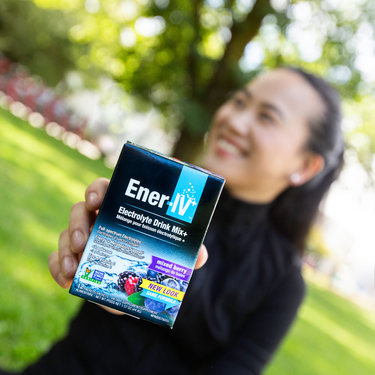
Ener-IV+ is designed for the days when hydration needs a little more support.
It combines 6 essential electrolytes, including sodium, chloride, potassium and magnesium, with Vitamin C, Zinc and less than 1 g of naturally derived glucose per serving.
That small amount of glucose has a purpose too. Sodium and glucose are transported together in the intestine, which helps support water absorption — one of the principles used in oral rehydration formulations.[5]
Ener-IV+ makes it simple to add water, electrolytes and supporting nutrients into one refreshing drink when you are sweating more than usual.
The simple hydration takeaway
Good hydration is not just about water.
It is about maintaining the right balance of fluid and electrolytes for the day you are having.
For everyday life, that might simply mean drinking regularly and eating a varied diet.
When the heat turns up, the workout gets longer or you are sweating more heavily, replacing electrolytes becomes increasingly relevant.
So instead of asking:
“Have I drunk enough water today?”
try asking:
“Have I replaced what my body has actually lost?”
That is a much smarter way to think about hydration.